



On the sun-drenched outskirts of Abuja, the sight of tomatoes wilting in shallow baskets and peppers exposed to the dust serves as a stark reminder of the energy deficit hindering Nigeria’s agri-food sector. For the women and youth who constitute over 60 percent of the agricultural workforce, the absence of reliable power is not merely a technical inconvenience but a direct threat to their economic survival. Without the means to preserve their harvests, many farmers face post-harvest losses of up to 40 percent in a single day. The Energising Women and Youth in Agri-food Systems (EWAS) programme has emerged to bridge this gap, specifically targeting the intersection of clean energy and agricultural productivity to safeguard incomes and reshape value chains.
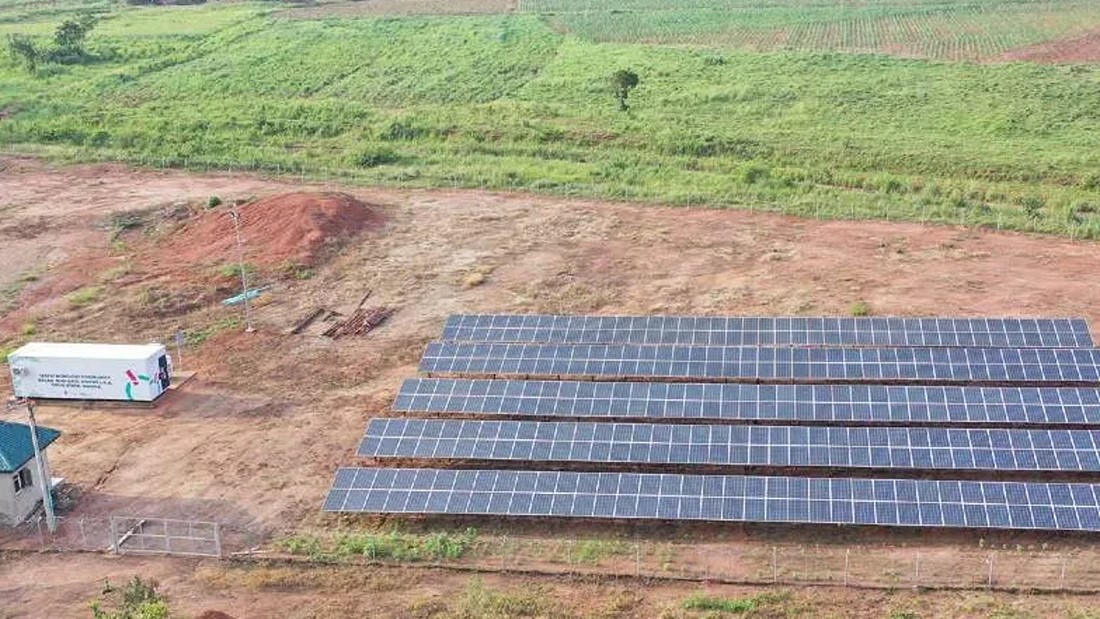
Led by the Global Energy Alliance for People and Planet in partnership with the Mastercard Foundation and RMI, the EWAS programme recently convened a milestone workshop in Abuja. This intensive boot camp brought together productive-use energy enterprises, including Coldbox Store, Koolboks, and SunFi, to refine business models that prioritise inclusivity. The focus was on “productive use of energy” (PUE) the application of solar power to irrigation, milling, and cold storage to ensure that electricity serves as a direct catalyst for income generation rather than just an end in itself. By shifting the perspective from simply installing equipment to designing sustainable, gender-responsive financing and support systems, the programme aims to make transformative technology accessible to those at the grassroots level.
One of the most significant realisations from the convening was that technical access to solar power must be coupled with intentional design to overcome structural barriers. Participants discussed the necessity of tailoring payment structures to accommodate the seasonal and often unpredictable cash flows of women-led enterprises. Experts noted that while the demand for cold storage spikes during the hot season, the financial cost often remains prohibitive for rural farmers. Consequently, the workshop encouraged enterprises to move beyond counting installations and instead focus on adoption rates and long-term commercial viability. This systems-thinking approach ensures that clean energy solutions are not afterthoughts but are embedded into the very fabric of local economic resilience.
As the programme moves into its implementation phase, the goal is to translate these refined strategies into measurable impact across Nigeria. The collaboration between local partners and technical experts has created a roadmap for delivering dignified jobs and reducing waste in the food system. The shift from theoretical possibility to actionable implementation signals a new era for Nigerian agripreneurs, where the vulnerability of roadside markets is replaced by the stability of solar-powered infrastructure. By placing women and youth at the heart of this energy transition, the EWAS programme is proving that clean energy is the key to unlocking widespread economic prosperity.
“We want to see models that work, make the right choices, and incorporate women in a meaningful way in the work that we do; EWAS’s role is not to tell you what to do, but to help you think about what you are building, ensuring it is inclusive and sustainable.” Ije Ikoku Okeke, Managing Director of RMI’s Global South Programme.