



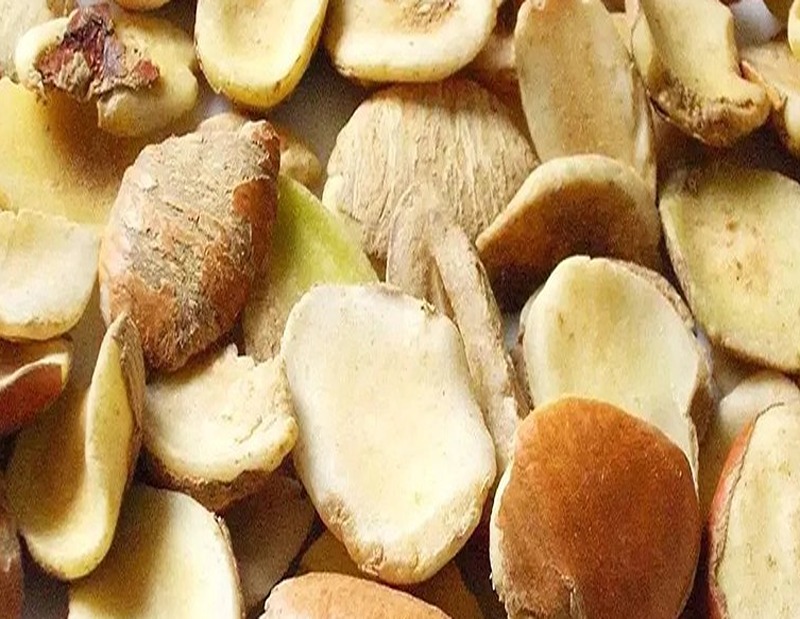
New scientific findings are challenging long-held consumer beliefs about the nutritional value of two staples of West African cuisine: Egusi and Ogbono. Research indicates that the oils and extracts from these seeds may offer significant health benefits, including weight management and improved cholesterol profiles, contrary to common misconceptions.
A recent study on Egusi, or Citrullus colocynthis, highlighted its potential as a natural remedy for obesity. In a trial involving laboratory rats, researchers found that Egusi seed oil prompted a significant correction in body weight, lipid profiles, and insulin sensitivity in obese subjects. The findings suggest the oil has a stronger anti-obesity potential than olive oil and is effective in reducing total and low-density lipoprotein (LDL) cholesterol.
Similarly, research into Ogbono, or Irvingia gabonensis, supports its efficacy in weight loss and managing metabolic parameters. A double-blind, randomized study on human subjects found that those who consumed an Irvingia gabonensis extract experienced a significant decrease in body weight, total cholesterol, and triglycerides over a one-month period, along with an increase in high-density lipoprotein (HDL) cholesterol. The study concludes that Irvingia gabonensis seed extract could be a useful tool for managing weight and associated conditions.
These findings contrast with common consumer fears, particularly those that equate the oily nature of the seeds with negative health outcomes. The articles also highlight the importance of understanding plant compounds. Many plants, including common legumes like soybeans, contain naturally occurring “anti-nutrients.” These compounds are a plant’s defense mechanism, designed to protect them from predators and ensure survival. While some anti-nutrients can interfere with the absorption of certain minerals, their presence does not negate a plant’s overall nutritional value.
Ultimately, the research suggests that Egusi and Ogbono are not only safe for consumption but may also offer a range of beneficial health effects. The findings underscore the need for evidence-based nutritional understanding over anecdotal beliefs.