



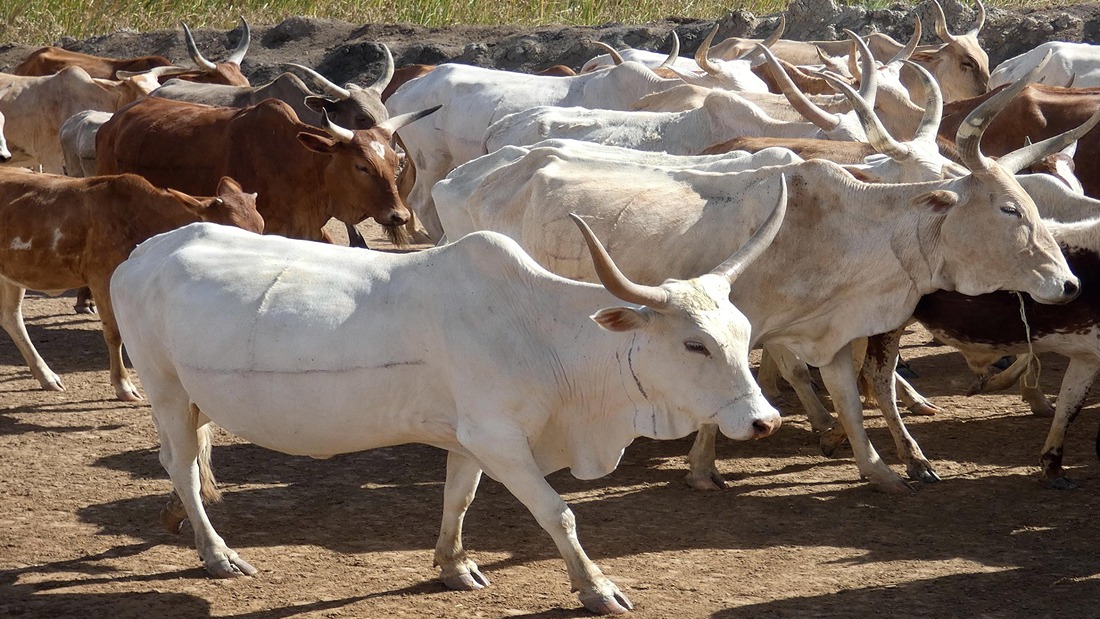
Livestock theft is now the target of a national strategy backed by CFA 1 billion, about US$1.7 million, according to Dame Sow, Coordinator of Senegal’s National Integrated Livestock Development Program, known as PNDIES. Sow announced the initiative in Fatick on 24 September 2026.
Authorities will soon launch a pilot phase built around identifying and tracing animals with electronic chips, collars and ear tags. The launch date and the areas involved have not been disclosed. The scale of the problem explains the urgency. The Food and Agriculture Organization (FAO) estimates that theft costs Senegalese farmers between 22 000 and 30 000 animals a year, worth about US$3.2 million in losses.
The strategy builds on years of groundwork. Senegal established the Livestock Theft Prevention Unit, known as CLVB, in 2013 and placed specialised brigades in the rural units of the National Gendarmerie. A 2017 law toughened penalties, with prison terms of five to 10 years in certain cases. In 2025 the government introduced a community intelligence system and a national livestock identification system, and in December 2025 it validated the National Livestock Identification and Traceability System with FAO support. Local startups showed digital solutions and connected devices to monitor livestock and prevent theft and authorities approved a cost implementation roadmap.
The effort is also going regional. From 9 to 12 February 2026, the FAO and the Senegalese government brought together representatives of all 15 West African countries in Dakar to coordinate a response. The proposed programme carries a budget of more than US$345 million from 2026 to 2030, pending final approval and would support digital livestock traceability, harmonised judicial and security frameworks and the involvement of pastoral communities in early warning and prevention.
Meanwhile, the Economic Community of West African States continues to harmonise livestock identification and traceability systems across the region. In April 2026 its Regional Veterinary Committee adopted a roadmap to help member states build more coordinated digital systems. Authorities present these systems as tools for more than fighting theft, saying they can also help manage transhumance, the seasonal movement of herds, prevent conflicts and ease regional trade.