




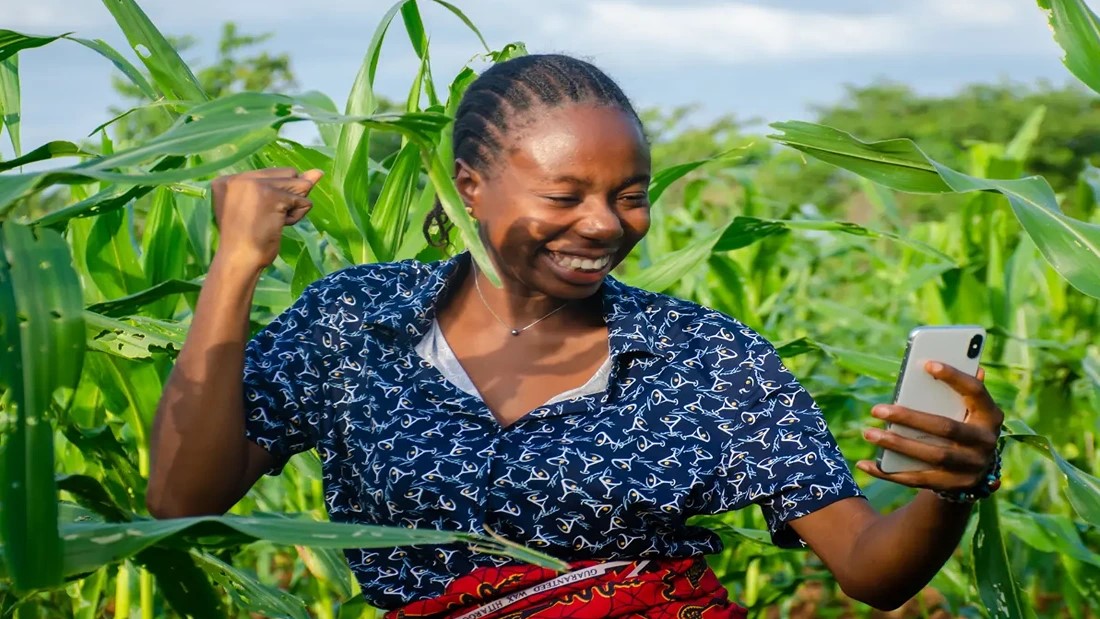
In countries like Côte d’Ivoire and Benin, where formal agricultural extension services are scarce, young farmers are creating their own digital ecosystems. Instead of relying on traditional market channels, they’re using WhatsApp for real-time market intelligence, sharing price updates, and vetting buyers and sellers within crop-specific group chats. This helps them secure fair prices and avoid fraud, a significant improvement over the historically low prices many rural farmers receive.
For branding and sales, farmers are turning to Facebook to create virtual storefronts. They showcase their products, build customer trust, and cultivate brand loyalty by posting photos and operational details. Processors and traders can connect directly with consumers, often receiving mobile money payments from customers located hundreds of miles away.
New Tools for an Old Trade
The digital innovation extends to knowledge sharing and skill development has emerged as a key training platform, with young farmers producing short videos that demonstrate everything from pest management techniques to mixing organic pesticides. This user-generated content creates a practical, easily accessible repository of agricultural knowledge that can be viewed and adapted repeatedly.
Meanwhile, urban processors are using Instagram to appeal to a more affluent clientele and international buyers. They leverage the platform’s visual focus to professionally present their products, helping them attract a different market segment.
A Divide to Overcome
Despite this grassroots innovation, significant challenges remain. The research highlights a major disconnect between these informal digital practices and national digital strategies, which often prioritize formal businesses and purpose-built platforms. This leaves farmers vulnerable, with little consumer protection or recourse for fraud, and limited access to formal support like funding or training.
Moreover, a pronounced digital divide persists. While young men in cities might use platforms like TikTok to build their brands, rural farmers, particularly women, often struggle with the cost of data and smartphones. In response, women in Benin have formed “DigiQueen” clusters to pool resources, sharing phones and data while teaching each other digital skills. In Côte d’Ivoire, women’s cooperatives use WhatsApp voice notes to include members with low literacy.
The report suggests that governments and donors have spent millions on specialized agricultural platforms that attract few users, while millions of farmers have already built their own successful, community-driven networks. This grassroots movement, led by youth and women, signals a new, digitally-enabled future for West African agriculture. As Eunice Muthengi of the Mastercard Foundation notes, “Imagine what they could achieve with the right tools, training, and support.” Unlocking this potential could be transformative for the region’s food systems.