

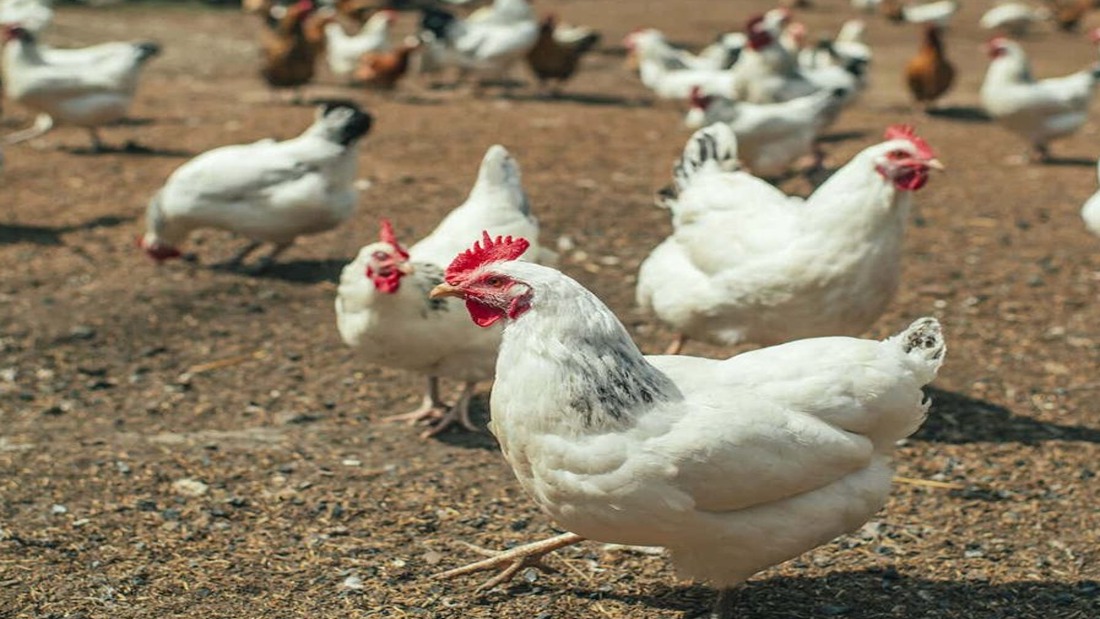
President John Dramani Mahama has unveiled an ambitious national plan, the ‘Nkoko Nketenkete’ Poultry Project, aimed at dramatically reducing Ghana’s reliance on imported poultry and enhancing domestic food security. Announced at the Jubilee Park in Kumasi, the initiative seeks to increase the nation’s poultry self-sufficiency rate from the current low of 12% to over 75% by 2028. This aggressive target forms a cornerstone of the broader Feed Ghana Programme, designed to restore food sovereignty, promote inclusive economic growth, and reverse the trend of significant foreign exchange expenditure—with over $350 million spent on poultry imports in 2023 alone.
The comprehensive strategy, titled the Three-Pronged Strategy, targets the entire poultry value chain, from household backyard operations to large-scale commercial farming. The first initiative, the Nkoko Nketenkete Poultry Initiative, focuses on bolstering household resilience and creating sustainable livelihoods. Under this scheme, the government will distribute 10,000 day-old chicks to every constituency, benefiting approximately 60,000 households nationwide. Each participating household is set to receive 50 birds, along with essential feed and technical support, to foster sustainable backyard poultry farming, particularly empowering women, youth, and vulnerable families.
Complementing the grassroots efforts are two major commercial components designed to ensure robust, large-scale production. The Anchor Farmers and Outgrower Support Scheme will see 50 anchor farmers each receive support to produce 80,000 birds, contributing a total of four million birds to the national output. Concurrently, an additional 500 small and medium-scale poultry farmers are slated to produce a further three million birds under the Food Systems Resilience Programme. These initiatives, alongside the Poultry Farm-to-Table Project, are intended to address historical sector setbacks, including high feed costs and limited access to improved breeds, which have hindered the industry’s growth and profitability.
Crucially, the government is also addressing the critical issue of processing capacity and market stability. President Mahama announced plans for the establishment of a modern poultry processing factory at Bechem in the Ahafo Region. This facility is intended to serve as a vital ready market and a central processing hub for producers across the Bono, Bono East, and Ashanti regions. With the procurement process underway, the factory will directly link farmers to processors, ensuring value addition, consistency in supply, and stable market conditions—a key step in transforming the agricultural sector into a sustainable driver of economic growth and job creation.
This national movement represents a significant policy commitment to laying the groundwork for a future where Ghana produces, processes, and consumes its own agricultural output, transforming what the President described as a missed opportunity for local farmers and entrepreneurs into a pillar of national self-reliance.