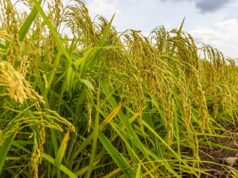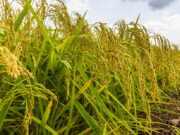




The agricultural landscape of West Africa is witnessing a quiet but profound revolution, driven by the intersection of mobile technology and climate-smart agricultural practices. In rural Senegal, farmers like Khady Diouf have seen their millet yields more than double from 30 kilogrammes to 64 kilogrammes on a single plot not through chance, but through the strategic use of drought-resistant seeds and high-quality fertilisers. This transformation is facilitated by myAgro, a social enterprise that utilises a mobile layaway platform to allow smallholders to save incrementally for essential inputs. By locking in prices months in advance and delivering supplies precisely for the planting season, the model bypasses the traditional barriers of high upfront costs and seasonal price volatility that often trap rural producers in cycles of poverty.
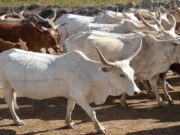
For many women in the region, these increased yields represent more than just food security; they are a gateway to asset ownership and economic agency. The story of Khady Diouf, who leveraged her surplus millet to purchase sheep and eventually a cow, illustrates a trajectory of wealth accumulation that is often unavailable to women in traditional settings. In rural West Africa, livestock serves as one of the few productive assets that women can own and control independently, enhancing their status within both the household and the broader community. Similar successes are being mirrored in Mali, where groundnut farmers like Naba Keita report that their newfound ability to contribute to household expenses has earned them recognition as community leaders and role models for the next generation.
Despite these individual triumphs, the broader agri-food sector in Africa continues to grapple with a staggering annual funding shortfall of USD 180 billion. To bridge this gap, the African Development Bank’s Agri-food SME Catalytic Financing Mechanism (ACFM) is deploying blended finance and technical assistance to de-risk investments in enterprises like myAgro. Supported by the Government of Canada, this initiative provides strategic advisory services that help small and medium-sized enterprises connect with mission-aligned investors. This systemic support is crucial for scaling models that meet farmers where they are, ensuring that the 65 percent of myAgro’s 250,000 clients who are women can continue to transition from subsistence to surplus.
The success of these localised interventions is increasingly seen as a blueprint for the continent’s wider economic architecture. By strengthening financial systems and expanding access to credit, Africa can better harness its agricultural potential to drive industrialisation and resilience against climate shocks. Claver Gatete, Executive Secretary of the Economic Commission for Africa, emphasised the importance of this shift toward a more integrated and innovative financial approach, stating: “If African countries act with urgency and purpose, they can shape a labour market that is more productive, more inclusive and more resilient than the one they inherited.” Through the combination of secure data, mobile finance, and climate-hardy technology, the continent’s smallholders are proving that they are ready to lead Africa’s frontier economy.