
ABUJA — For decades, a persistent divide has haunted African agriculture while meteorologists track atmospheric patterns with increasing precision, the smallholder farmer standing in a field often relies on little more than traditional intuition and hope. Cloud patterns are mapped in high resolution, yet the person holding the hoe remains in the dark.
Now, a pioneering collaboration between the Nigerian Meteorological Agency (NiMet) and the International Livestock Research Institute (ILRI) is setting out to bridge that gap. Through a new, cutting-edge digital data platform, the partners are translating raw atmospheric physics into actionable, down-to-earth decisions for the millions who feed the nation.
Commenced in February 2026 under the auspices of the Climate Services for Youth (CS4Y) and AGRA initiatives, the ambition is straightforward yet transformative. By consolidating historical climate records, live observational data, and forward-looking forecasts into a single, seamless digital ecosystem, the project aims to put hyper-local weather intelligence directly into the hands of farmers, pastoralists, and agricultural extension advisors.
At the heart of this push is the NiMet Data Hub. Developed alongside tech partner Crea2Solutions, the platform has reached an advanced Minimum Viable Product stage and is currently undergoing live testing with NiMet’s suite of weather services.
“The overarching objective is to ensure that critical climate information does not remain confined to technical institutions or buried in academic journals, but actively reaches the people who need it to plan their daily agricultural activities,” noted project representatives during recent implementation briefings.
Turning complex data into practical field advice requires more than just smart algorithms it demands deep local context. Stakeholder workshops co-hosted by NiMet and ILRI have focused heavily on diagnosing the structural gaps in Nigeria’s existing agro-meteorological pipeline, smoothing out service coordination, and designing advisories tailored to specific microclimates and farming systems.
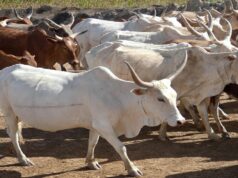
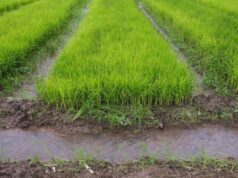
Drawing upon NiMet’s interactive online map rooms and specialized agricultural tools, the hub is engineered to generate context-specific guidance. Whether it is advising a grain farmer on optimal planting dates to avoid early-season drought or warning a pastoralist about heat stress risks along livestock migration corridors, the platform aims to convert raw data into a shield against climate unpredictability.
ILRI’s contribution focuses on structuring complex research datasets and designing digital tools that render agricultural metrics intuitive for everyday decision-makers. The target audience is intentionally wide smallholder farmers, pastoralists, government institutions, extension personnel, and private agricultural advisory firms.
As weather patterns become increasingly erratic across West Africa, the initiative represents a decisive shift toward climate-smart resilience. By equipping Nigeria’s agricultural sector with timely, location-specific intelligence, the platform stands to drastically reduce crop losses, protect livestock assets, and secure the livelihoods of those on the frontlines of a changing climate.