




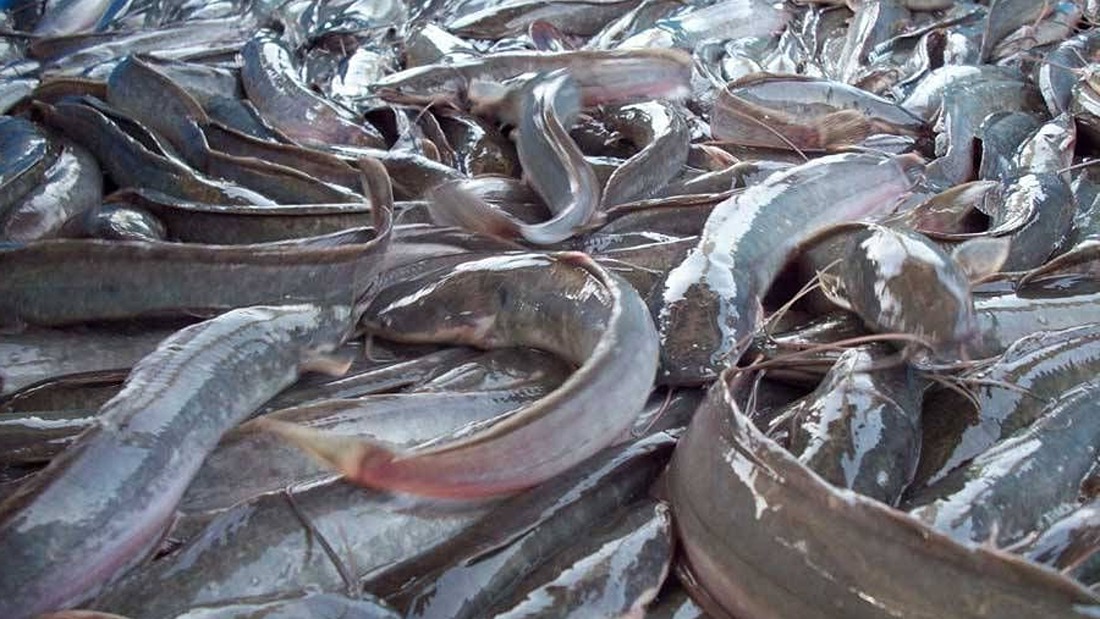
Nigeria’s aquaculture sector, the second largest producer in Africa, holds immense promise for boosting economic growth, ensuring food security, and creating jobs, particularly given the strong local demand for products like catfish. However, a significant number of new entrants into this lucrative agribusiness are facing substantial losses, leading to high failure rates and abandoned ventures, according to industry experts and operators. The potential of fish farming to reduce reliance on imports and invigorate local economies is being undercut by a persistent lack of knowledge in critical aquaculture management.
Beyond the common hurdles of high feed costs, inadequate supply chains, and limited market access stemming from underinvestment in infrastructure and technology, experts point to a fundamental issue: a deficiency in essential farming expertise. Dr. James Onah, an aquaculturist, warns that many farmers, despite heavy investment in their farms, often “ignore vital details like water quality, feeding patterns, and understanding market demands.” This oversight, Onah notes, is the root cause of colossal losses.
One of the most frequently identified technical errors is the mismanagement of pond water quality. Dr. Onah explains that many beginners mistakenly equate water clarity with suitability for fish. Ignoring the deeper biochemical factors has led to alarmingly high fish mortality rates and stunted growth, severely impacting farm productivity. Equally detrimental is poor feeding management. New farmers often fail to consistently track daily feed intake, resulting in costly overfeeding, which pollutes the pond and harms the fish, or underfeeding, which stunts their growth and delays market readiness. Onah also cautioned against the inefficient and cost-increasing practice of purchasing feed in small batches.
Experienced fish farmer and training provider, Mrs. Jelilat Dokunmu, highlights market misalignment as another common pitfall. She stresses that successful farmers “raise fish to match customer preferences, not personal ones.” Failing to align product size and type with market demand often forces farmers to sell under pressure or at a loss, eroding profitability. Malam Ado Mohammed, a fish trader and breeder at the Kado Fish Market, echoes this sentiment, emphasizing the critical role of the sector in the economy and the need to support youths tapping into its opportunities.
To staunch the flow of business failures, the consensus among sector leaders is a strong emphasis on proper training and re-training. Mrs. Dokunmu advocates for comprehensive, hands-on classes in catfish farming and management, stating, “Farmers need more than just ponds—they need tested systems for production, management, and sales.” Mohammed agrees that adopting the right knowledge is paramount. With focused education and meticulous planning, industry experts believe that fish farming in Nigeria can decisively shift from a risky venture to a profitable and sustainable source of income, finally realizing its full potential to contribute to national food security and economic prosperity.