




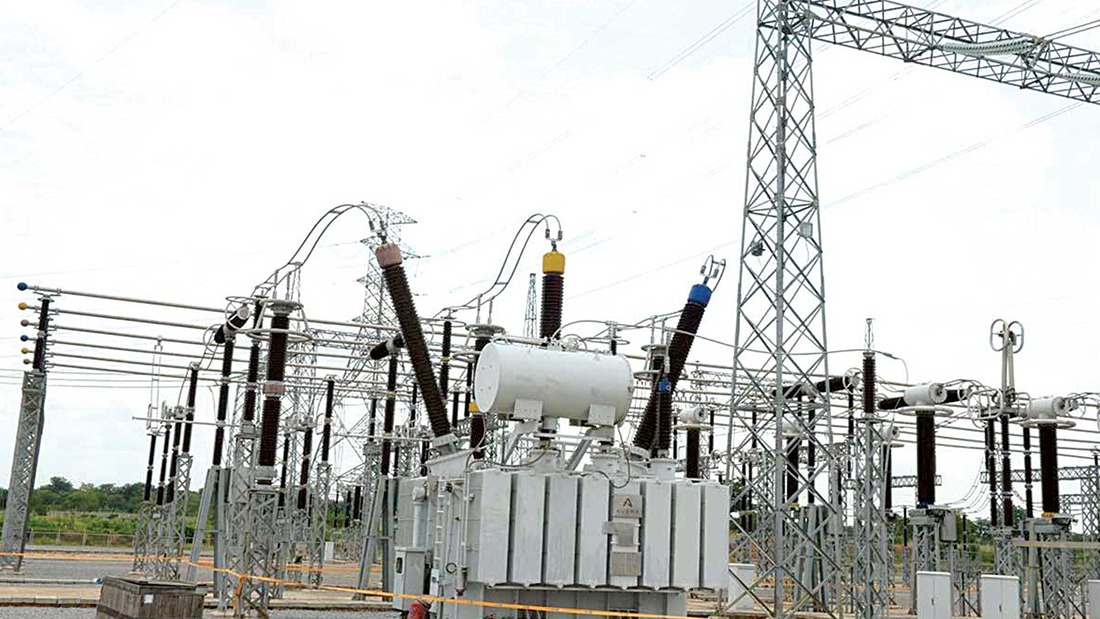
In a strategic move to safeguard Nigeria’s energy security and fortify its struggling national power grid, the Federal Government is setting its sights on exporting idle electricity to neighbouring West African nations. This pivot comes as major bulk off-takers are increasingly abandoning the erratic national grid in favour of independent power solutions, threatening its stability and leading to frequent collapses—12 in 2024 and three in the first quarter of 2025 alone. Despite Nigeria’s significant domestic supply gap, with average daily generation hovering around 5,000 megawatts, the government believes that selling the excess power will provide a crucial buffer for the grid and inject much-needed revenue into the energy industry.
This bold redirection is catalysed by the accelerating trend of off-grid power generation among Nigeria’s heavy electricity consumers, a move partly encouraged by the Electricity Act 2023 signed into law by President Bola Tinubu on June 5, 2023. Over 250 entities, including major manufacturing companies, government facilities, and large institutions, have disconnected from the national grid, with their aggregate self-generated power capacity officially pegged at 6,500 megawatts. Notably, Dangote Industries Limited (DIL) alone accounts for 1,500MW, including a 435MW plant at its Lagos refinery, which could power an entire distribution company. The subsequent granting of 24 new licenses in Q1 2025 to consumers like Nigerian Breweries and MTN Nigeria further underscores the shift away from the national grid.
Experts warn that this exodus of bulk buyers is the primary source of the national grid’s instability. Adetayo Adegbemle, Executive Director of PowerUp Nigeria, stressed that these large consumers should be serving as anchor tenants to maintain a stable grid, arguing that the frequent collapses can be traced to their departure. He advocates for government policies to incentivize their return, emphasizing that affordable power and industrial expansion cannot be achieved without the re-integration of large-scale commercial customers who provide the necessary stable load. Adegbemle also highlighted the staggering financial cost of self-generation, citing a recent report by the Manufacturers Association of Nigeria (MAN) that manufacturers spend over N45 trillion yearly on alternative energy, an expense ultimately passed on to the final consumer.
To counter the instability, the Federal Government has successfully executed a grid synchronisation test on November 8, 2025, connecting the Nigerian grid seamlessly with the 15-nation West African Power Pool (WAPP) system for over four uninterrupted hours. This achievement, the most successful since 2007, is seen as a foundational step to stabilize the grid and establish Nigeria as the regional power hub. Minister of Power, Chief Adebayo Adelabu, affirmed that despite a transmission wheeling capacity that has risen to 8,500 megawatts, low demand from local distribution companies (Discos) has left about 3,500 megawatts stranded. Exporting power via the WAPP will monetize this surplus capacity.
The initial export of 600 megawatts is projected to generate an annual revenue of nearly $1 billion (N1.450 trillion) for Nigeria, calculated based on the prevailing regional tariff of $0.19 per kilowatt-hour. This is expected to significantly reduce liquidity shortfalls in the energy sector. Minister Adelabu assured the nation that this new policy will not compromise domestic supply, as the power being exported is currently idle and stranded within the system. The government plans to more than double the exported power volume by June 2026 following the completion of a permanent synchronization exercise, leveraging the regional market to ensure both grid stability and financial viability.