



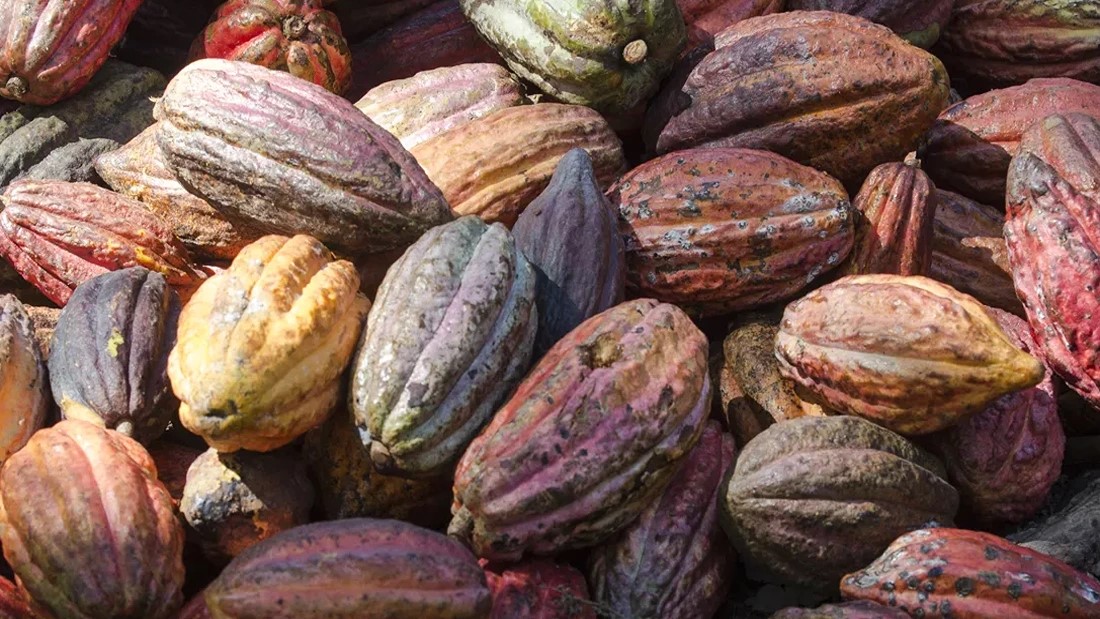
ABIDJAN — A looming logjam is brewing along the West African coast. A delayed harvest paired with an impending regulatory deadline is setting the stage for severe bottlenecking at Ivory Coast’s primary export hubs as the 2026/27 main cocoa crop gets underway.
Industry sources warn that the ports of Abidjan and San Pedro could face critical strain in November and December. Exporters are preparing to rush massive volumes of cocoa beans onto outward-bound vessels before the European Union’s stringent new deforestation rules go into effect at the end of the year.
“With this looming delay, we will find party having to export enormous quantities in a short period in December,” stated an executive at a European export company operating in Abidjan.
The main harvest, which officially opens on September 1, has fallen 8 to 10 weeks behind schedule. Agricultural experts attribute the setback to a combination of uncooperative weather patterns, deferred farm maintenance, and an unusually robust mid-crop that sapped the resources needed for main-crop development.
As a result, port arrivals are expected to crawl out of the gate. Weekly arrivals will likely hover under 15,000 metric tonnes through September before edging up slightly to under 25,000 tonnes per week in October. The true deluge of beans will not hit the ports until late October or early November, concentrating the harvest’s heavy lifting into a tight two-month window.
Approximately 900,000 tonnes of cocoa are projected to flood Ivorian ports between October and December 2026. While this is lower than the updated 1.1 million tonnes seen during the peak period in 2025, squeezing the bulk of that movement into a compressed timeframe threatens to exhaust local storage infrastructure and create severe shipping delays.
Despite the supply chain anxiety, the Coffee and Cocoa Council (CCC), Ivory Coast’s national regulator, maintains that the country is fully prepared to meet the EU’s compliance parameters. The regulator projects total arrivals for the main crop (spanning September 2026 through February 2027) to max out at 1.4 million tonnes, while commercial exporters estimate final yields between 1.4 million and 1.45 million metric tonnes.
Addressing the operational friction ahead, an official from the Coffee and Cocoa Council reassured market participants that regulators “will do everything possible to minimise the impact” as the harvest reaches its peak rush.
For international buyers and logistics managers, the coming months will test the resilience of the global chocolate supply chain as Ivory Coast works to navigate nature’s timing and European policy mandates simultaneously.