


Accra, Ghana – A quiet revolution is brewing in Ghana’s fight for food security, one driven by data and a stark realization: for many, a healthy diet remains a luxury, not a right. In a move set to reshape national nutrition policy, the Ministry of Food and Agriculture (MoFA) has launched a groundbreaking quarterly bulletin series, meticulously tracking the Cost of a Healthy Diet (CoHD) across 190 markets in all 16 regions.
This ambitious initiative, spearheaded by MoFA’s Statistics, Research and Information Directorate, pulls back the curtain on the true price of well-being, aiming to strengthen food security by monitoring the affordability of diets that align with Ghana’s National Food-Based Dietary Guidelines, introduced just last year.
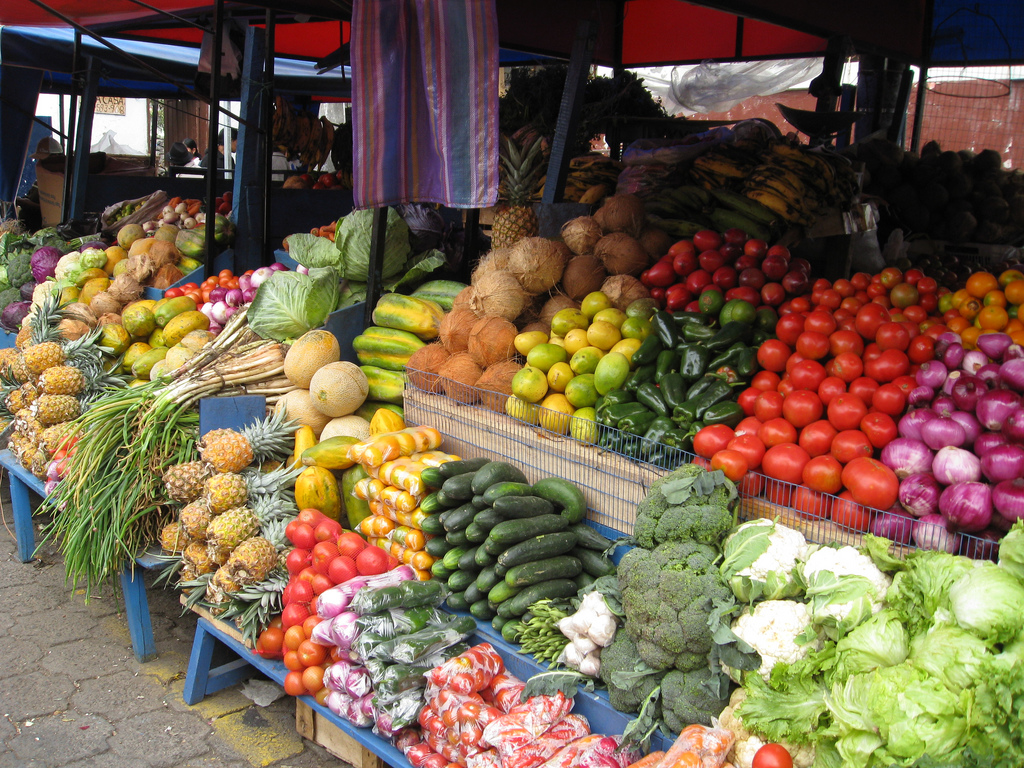
The CoHD indicator acts as a crucial barometer, identifying the absolute minimum cost required to meet essential dietary needs using only locally available produce. But the initial findings paint a concerning picture. According to a press release from MoFA’s Public Relations Unit, the culprit consistently driving up the cost of a balanced plate is clear: vegetables and animal-source foods. These vital components of a nutritious diet remain stubbornly out of reach for the majority of Ghanaians, raising urgent questions about accessibility and, indeed, nutrition equity.
The analysis further illuminates the nuanced landscape of food affordability, revealing significant monthly and regional variations in diet costs. It also pinpoints the food items that, despite the challenges, most frequently emerge as the least-cost options within a balanced diet – valuable insights for targeted interventions.
MoFA’s stance is unequivocal: access to a healthy diet “must be a right for all Ghanaians and not a privilege.” This new monitoring tool is designed to be more than just a data dump; it’s a vital compass. The regular insights provided by the CoHD are expected to be instrumental in identifying precisely where social safety nets are most needed and, crucially, in guiding public investments in agriculture to either lower the cost or improve the availability of these essential, yet often elusive, food groups.
The CoHD indicator itself is not a new concept, having been developed after pivotal discussions in Accra back in 2016. It has since gained international recognition, now forming an integral part of global food security monitoring by the UN Food and Agriculture Organization (FAO) and the World Bank. Furthermore, it contributes directly to a new Sustainable Development Goal (SDG) indicator on dietary diversity, underscoring its global significance.
By seamlessly integrating CoHD monitoring into the national food security and nutrition surveillance framework, MoFA is poised to exert significant influence on planning, policy formulation, and investment decisions. The ultimate goal is clear: to enhance access to affordable and healthy food across Ghana, transforming the lives of its citizens.
These crucial bulletins are readily available on the Ministry’s website and are set to become a central, indispensable resource in national nutrition planning and programming, promising a healthier, more equitable future for Ghana.