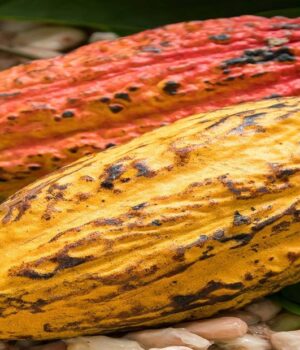


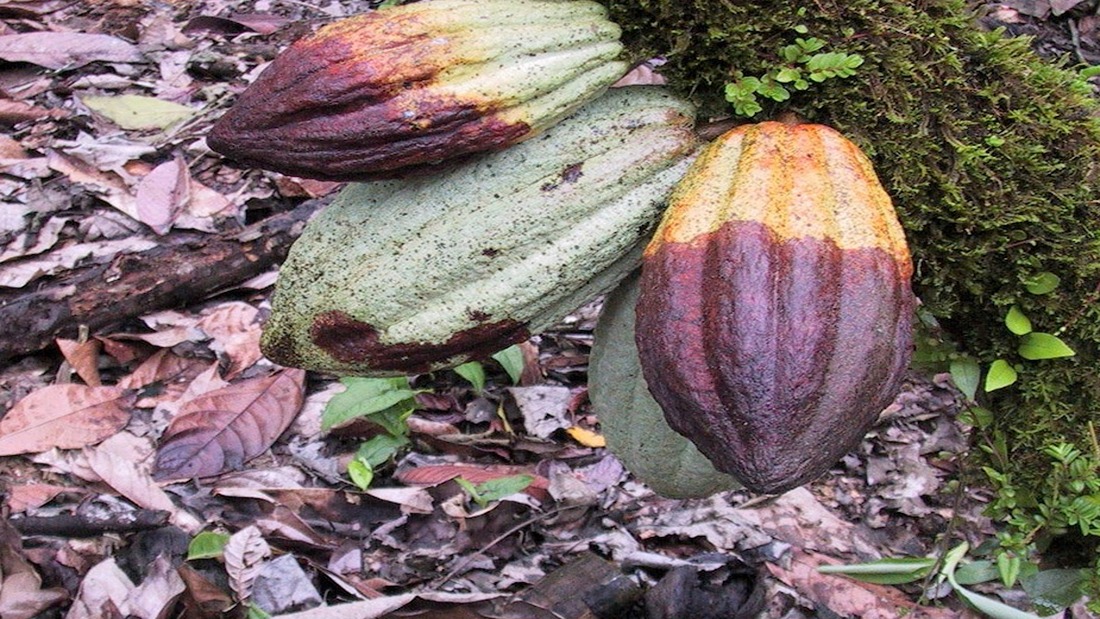
Cocoa farmers in Cameroon’s Southwest region, one of the country’s key production hubs, are grappling with a severe outbreak of black pod disease, a fungal infection ravaging plantations. The blight is fueled by relentless heavy rains and a proliferation of ineffective, counterfeit agrochemicals, according to government officials and industry experts.
The fungal disease, known scientifically as Phytophthora, thrives in the wet conditions that have blanketed the region since July. This has created an ideal environment for the infection to spread rapidly through cocoa pods and trees, said Jackson Ntapi Nkwentang, the Southwest region’s agriculture delegate.
“It is a serious issue,” Nkwentang told Reuters, noting the hardest-hit areas are the major cocoa-producing centers of Muyuka, Mbonge, and Kumba. He added that growers have been advised to “intensify spraying” to combat the disease.
The crisis is compounded by a reliance on cheap, unverified fungicides smuggled from neighboring Nigeria and Ghana. According to Epie Promise Ngolepie, a cocoa consultant with the agri-tech firm Help Farmers Cameroon, many smallholder farmers are opting for these illicit products over expert recommendations, a choice that has proven ineffective.
“Most chemical dealers are not agronomists; they just want to sell,” Ngolepie said, highlighting a lack of proper agricultural guidance at the point of sale.
Compounding the problem are poor farm practices, including late pruning, inadequate field clearing, and irregular application of approved fungicides. These factors have worsened the outbreak and hindered efforts to contain it.
An official crackdown on the counterfeit market has been stalled by a month-long lockdown imposed by armed separatist fighters in Cameroon’s English-speaking regions, limiting the government’s ability to intervene.
For farmers, the financial toll is immediate and severe. The outbreak has decimated yields, leaving many unable to repay loans, provide for their families, or cover essential costs like school fees. “We don’t even know how to survive this season,” said Divine Ntam, a farmer near Kumba, “The chemicals we bought aren’t effective, and the rains have really messed up things.”
The crisis in Cameroon, the world’s fifth-largest cocoa producer, underscores the dual threats of climate change and a unregulated supply chain, which together pose a significant risk to the global cocoa market