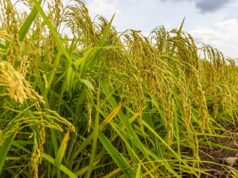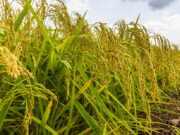



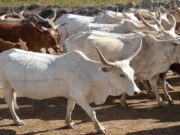

Nigeria is pivoting towards an innovative public-private partnership (PPP) model to safeguard its agriculture sector from the devastating impacts of climate change, a strategy that could transform the country’s food systems and unlock new investment opportunities.
Policymakers, private sector leaders, and development partners recently convened for a five-day workshop in Abuja to co-design the ambitious Climate-Smart Agribusiness Partnership for Resilience (CSAPR) Project. The initiative, led by the Federal Government of Nigeria and the International Fund for Agricultural Development (IFAD), seeks to integrate climate information services (CIS) into agricultural value chains.
Agriculture is a cornerstone of Nigeria’s economy, employing nearly 70% of the workforce, but it is increasingly vulnerable to erratic rainfall, droughts, and floods. According to Dede Ekoue, IFAD’s Country Director for Nigeria, “Climate change is not a distant threat, it is a daily reality. Farmers cannot adapt without timely and reliable information on when to plant, when to harvest, or how to prepare for extreme weather.”
While the Nigerian Meteorological Agency (NiMet) has launched its Enhancing National Climate Services (ENACTS) Maproom, a digital platform providing real-time weather forecasts and advisories, its Director-General, Professor Charles Anosike, emphasized that the private sector must step in to achieve a sustainable scale.
The CSAPR project aims to embed digital climate advisory services (DCAS) within Nigeria’s Special Agro-Industrial Processing Zones (SAPZ). This integration would enable financial institutions, insurance companies, and agri-tech startups to leverage climate data, offering tailored products and services to smallholder farmers who currently lack access to such vital information.
The move from pilot projects to a large-scale PPP model is seen as a way to turn climate challenges into opportunities for economic growth and youth employment. By making CIS as accessible as seeds and fertilizer, Nigeria hopes to build a more resilient food system and drive sustainable development across the sector.