




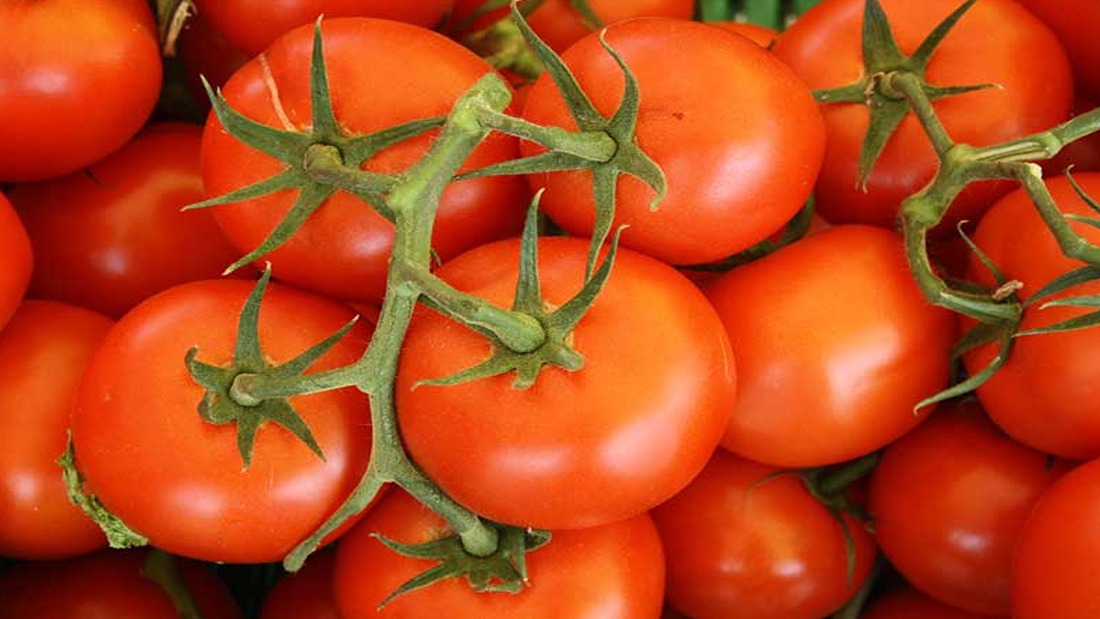
ACCRA – The Ministry of Food and Agriculture is facing intensified pressure to fast-track its import-substitution strategy following a unilateral tomato export ban by Burkina Faso, which has sent shockwaves through Ghana’s retail commodity markets. The disruption has triggered a supply vacuum at major trading hubs like the Agbogbloshie Market, where the cost of a standard crate has more than doubled in recent weeks. For a nation that has historically relied on Burkinabe imports for up to six months of its annual peak-season consumption, the sudden protectionist stance by its northern neighbor has exposed a critical vulnerability in the domestic food value chain.
The inflationary pressure is already eroding consumer purchasing power, forcing households to pivot toward alternative ingredients as retail prices spiral. Market data indicates that a quantity of tomatoes that typically retails between GH₵18 and GH₵22 is now fetching as much as GH₵40, a surge that traders attribute directly to the cessation of cross-border flows and the attendant risks of sourcing scarce local stock. This price volatility is particularly damaging for the informal retail sector, where many market women some with over two decades of experience rely exclusively on the tomato trade for their livelihoods.
“At a time like this, tomato prices should not be rising so sharply. Ideally, prices would range between GH₵18 and GH₵22, but tomatoes are now being sold for as much as GH₵32, GH₵38, and even GH₵40,” noted Patience Nyarko, a veteran trader at Agbogbloshie. Her concerns are echoed by peers who are calling for a more proactive bilateral engagement and a radical overhaul of Ghana’s dry-season farming capabilities. There is a growing consensus among market stakeholders that Ghana must urgently study the irrigation and storage models utilized by Burkina Faso to sustain year-round production if it hopes to insulate its economy from future regional supply shocks.
In response to the burgeoning crisis, the Minister for Food and Agriculture, Eric Opoku, has outlined an aggressive productivity roadmap aimed at nearly doubling domestic yields. The government’s target is to increase tomato output from the current 8 metric tonnes per hectare to 15 metric tonnes per hectare through the introduction of high-yield, climate-resilient seeds. To spearhead this technical shift, the West Africa Centre for Crop Improvement (WACCI) has been commissioned to coordinate research efforts, with a deadline to deliver improved, locally-adapted varieties by August this year.
The success of this initiative will be a litmus test for Ghana’s broader agricultural commercialization goals. While locally produced tomatoes remain significantly more affordable than imports with some buckets retailing at GH₵200 compared to the hyper-inflated prices of cross-border stock the challenge remains scaling this production to meet national demand during the lean season. As the August deadline approaches, the business community remains watchful of whether these research-led interventions will provide the structural stability required to end Ghana’s reliance on the “tomato trail” from Ouagadougou.